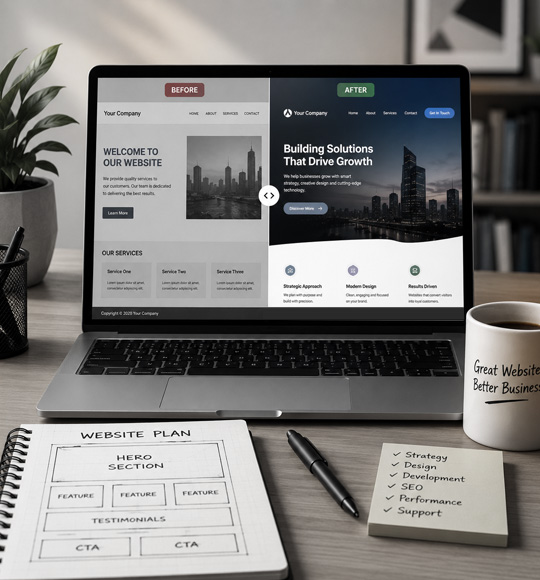
In a world where almost every customer interaction begins online, your website has become far more than just a digital presence. It is your brand’s first impression, your most consistent salesperson, and often the deciding factor in whether a potential client chooses to engage with you or move on. Despite this, many businesses continue to rely on outdated or underperforming websites that no longer reflect their capabilities or ambitions. Over time, this creates a gap between what the business truly offers and how it is perceived online.
If you’re questioning whether it’s time to upgrade, here are ten compelling reasons why investing in a new website, or revamping your existing one, can significantly impact your business growth.
1. Your Website No Longer Reflects Modern Standards
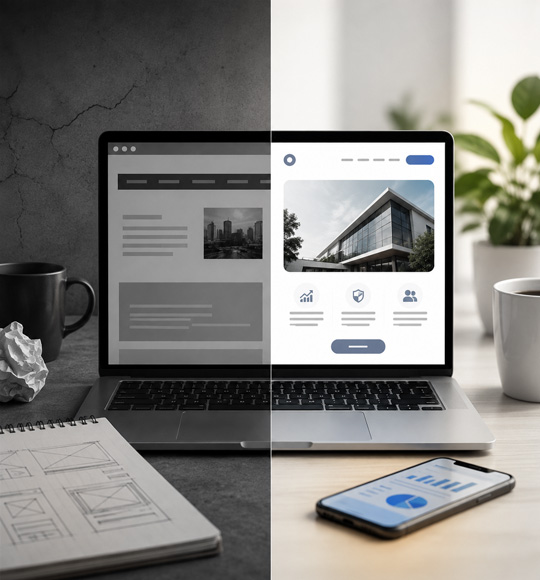
Design trends evolve, and user expectations evolve even faster. A website that once looked impressive can quickly begin to feel outdated. When visitors land on a site that appears old or poorly designed, they often associate that with the quality of the business itself. A modern website, on the other hand, instantly communicates professionalism, relevance, and attention to detail.
2. Mobile Experience Is No Longer Optional
A significant portion of your audience is accessing your website through mobile devices. If your website does not adapt seamlessly to different screen sizes, it creates friction in the user experience. Visitors are unlikely to struggle through poor layouts or difficult navigation when alternatives are just a click away. A responsive design ensures that your brand delivers a consistent and smooth experience across all devices.
3. Slow Performance Is Quietly Hurting Your Business
Website speed plays a crucial role in both user experience and search engine rankings. When a website takes too long to load, users tend to abandon it before even seeing what you offer. Over time, this leads to lost opportunities and reduced visibility on search engines. A well-optimized website ensures fast loading times, keeping users engaged and improving overall performance.
4. Your Website Isn’t Converting Visitors into Clients
Having traffic is not enough if your website fails to guide visitors toward taking action. Many websites lack clear messaging, structured flow, or compelling calls to action, which results in missed conversions. A strategically designed website aligns content, layout, and user journey in a way that naturally leads visitors toward inquiries, bookings, or purchases.
5. Your Brand Has Evolved, But Your Website Hasn’t
As businesses grow, their positioning, services, and audience often change. However, if the website remains unchanged, it begins to tell an outdated story. This disconnect can confuse potential clients and weaken your brand identity. A redesigned website ensures that your online presence accurately reflects your current vision, values, and level of expertise.
6. Poor User Experience Is Driving Visitors Away
User experience is not always obvious, but it is always felt. When visitors struggle to navigate a website or find the information they need, frustration builds quickly. In most cases, they simply leave. A well-structured website removes this friction by offering intuitive navigation, clear hierarchy, and a seamless browsing experience that keeps users engaged.
7. Your Competitors Are Moving Ahead
The digital landscape is constantly evolving, and your competitors are likely investing in better online experiences. When their websites are faster, clearer, and more visually appealing, they naturally gain an advantage. Even if your services are superior, a weaker online presence can shift decisions in their favor. A strong website ensures that you remain competitive and relevant.